
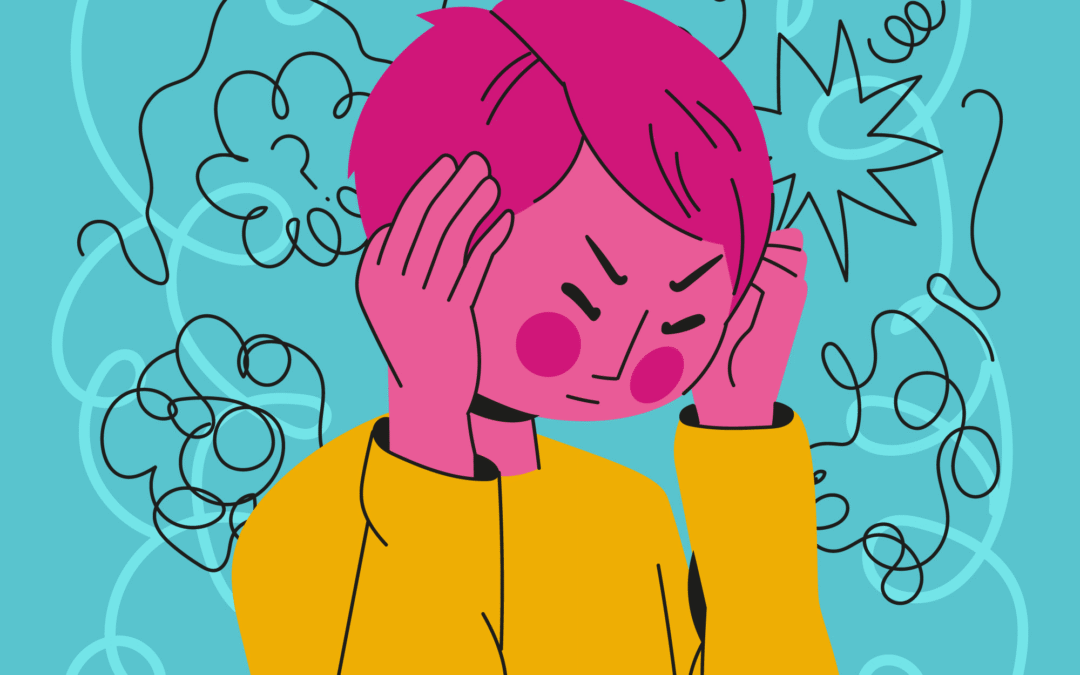
As a Licensed Educational Psychologist (LEP) in California, I often meet parents and caregivers who are deeply concerned about their teenager’s anxiety—especially as academic pressures, social challenges, and growing responsibilities start to pile up in middle or high school. It’s completely understandable to worry when your once easygoing teen starts withdrawing, feeling overwhelmed, or losing interest in things they used to enjoy. The good news is that there are many ways you can support your teen, and professional help is available when needed.
Understanding Anxiety in Teens
Anxiety is a normal part of life, and all teens experience it from time to time—before a test, during a performance, or when navigating new friendships. However, when anxiety begins to interfere with daily life—making it difficult to go to school, sleep, focus, or socialize—it may be a sign that your teen needs extra support.
Teens often express anxiety differently than adults. You might notice:
- Frequent headaches or stomachaches with no clear medical cause
- Irritability, frustration, or emotional outbursts
- Avoidance of school or social activities
- Trouble concentrating or completing work
- Changes in sleep or appetite
- Constant worry about grades, friendships, or the future
How You Can Help at Home
1. Listen Without Judgment
Teens need to feel heard. Instead of immediately trying to fix the problem, start by listening. Validate their feelings—say things like, “That sounds really tough,” or “I can see why you’d feel anxious about that.” This helps them feel safe opening up.
2. Keep Routines Predictable
Structure provides comfort. Encourage consistent sleep, meals, and study times, while also building in relaxation or downtime.
3. Model Calm and Coping
Your own approach to stress influences your teen. Practice mindfulness, deep breathing, or other coping strategies together. Show them it’s okay to take breaks and ask for help when needed.
4. Reduce Pressure Where Possible
Teens today face intense academic and social expectations. Remind them that learning is a process and mistakes are part of growth. Encourage balance over perfection.
5. Encourage Healthy Habits
Regular exercise, a balanced diet, and time away from screens can all reduce anxiety. Even small steps—like a daily walk or family dinner—can make a difference.
When to Seek Professional Support
While occasional worry is normal, professional help may be needed if your teen’s anxiety:
- Lasts for several weeks or months
- Interferes with school attendance or performance
- Causes significant distress or withdrawal from friends and family
- Leads to physical symptoms (frequent stomachaches, fatigue, or sleep issues)
- Includes talk of hopelessness or self-harm
If you notice these signs, start by reaching out to your teen’s school counselor or school psychologist. They can provide short-term counseling, accommodations, or referrals for outside services. You can also contact your pediatrician for a mental health screening or referral to a licensed mental health provider such as a therapist, psychologist, or LEP.
How I Can Help
As a Licensed Educational Psychologist, I am trained and credentialed to provide mental health and educational support for students in California. I work with families and schools to assess emotional and learning needs, teach coping strategies, and create supportive plans that help students manage anxiety and succeed both academically and socially. If you are concerned about your teen’s anxiety, please know that reaching out for help is a positive and proactive step. I can help guide you and your teen through that process.
Final Thoughts
Supporting a teen with anxiety is a journey that takes patience, empathy, and teamwork. With understanding adults, structured routines, and access to the right help, most teens can learn to manage their anxiety and thrive—academically, socially, and emotionally.
As an LEP, my message to parents is this: You don’t have to navigate this alone. Seeking support early not only helps your teen feel better now but also builds lifelong coping skills for the future.